






42V Charger for a 36V Battery: Is It Safe for Hoverboards & E-Scooters?

Seeing 36V written on a hoverboard or e-scooter battery and 42V written on its charger can look like a mistake.
If the battery is 36V, should the charger also be 36V? Not necessarily.
In many lithium-ion hoverboards and other electric mobility devices, a 42V charger for a 36V battery can be completely normal. The confusing part is that the two voltage numbers describe different operating conditions.
But that does not mean you should connect any 42V charger to any battery marked 36V. Here is how to know whether the combination is actually compatible.
Why Can a 36V Battery Need a 42V Charger?
The 36V rating printed on many lithium-ion battery packs is the battery’s nominal voltage.
You can think of nominal voltage as the number used to describe the battery during normal operation. It is not necessarily the voltage the battery reaches when completely charged.
Here is a simple example. A typical lithium-ion cell can have a nominal voltage of around 3.6V while being charged to 4.2V. The Molicel INR-18650-P28A data sheet, for example, specifies 3.6V nominal cell voltage and 4.2V charge voltage.
If a battery pack uses ten compatible cell groups in series, the basic voltage calculation looks like this:
3.6V × 10 = 36V nominal
But at full charge:
4.2V × 10 = 42V
That is where the apparently strange 36V/42V combination comes from. The battery is described as a 36V battery, while the charger may need to bring the pack up to approximately 42V when fully charged.
So, Can You Use a 42V Charger for a 36V Battery?
Yes, but only when that specific battery or device is designed to be charged at 42V.
Do not turn this into the rule that a “36V battery = use any 42V charger.” Battery chemistry, battery configuration, battery-management systems, and charging requirements can vary between products.
Instead, match the replacement charger to the manufacturer’s charging specification, not just the nominal battery voltage printed in large letters.
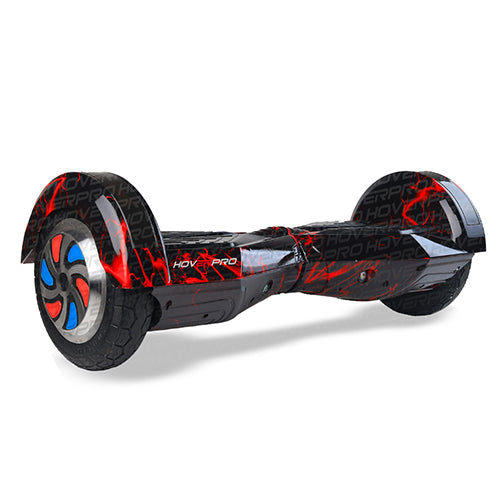
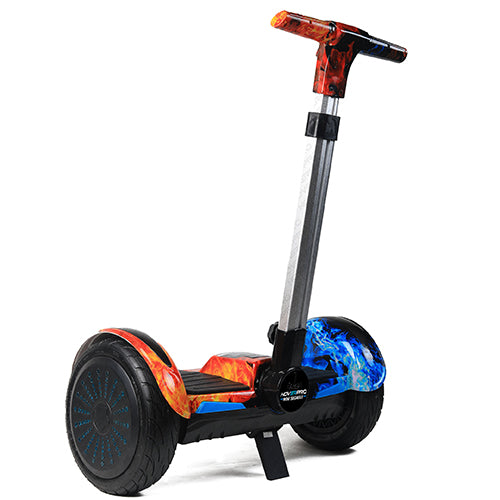
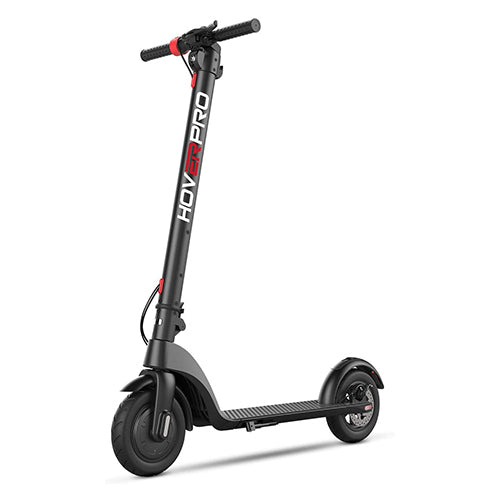
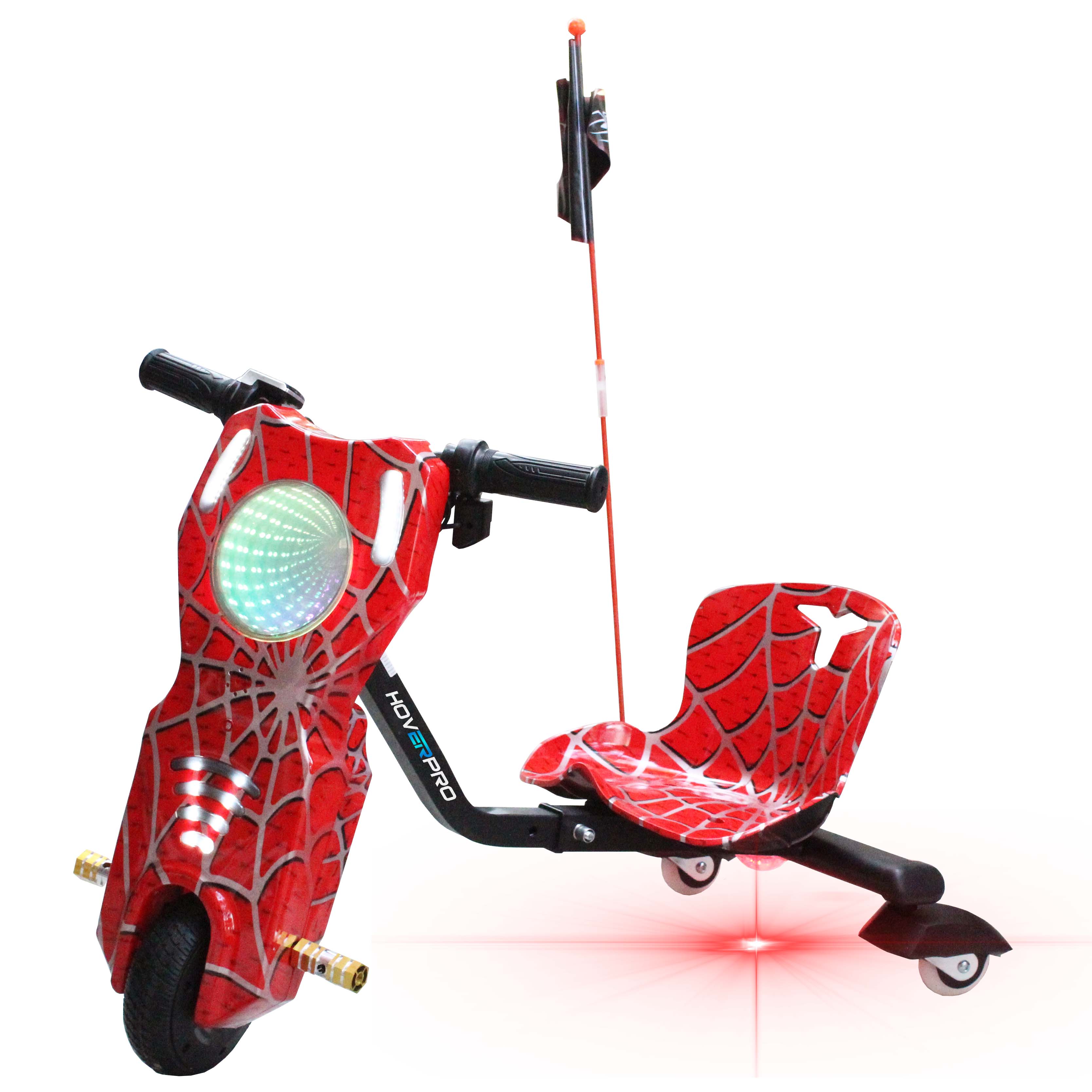
Hoverpro provides a useful real-world example. The Hoverpro 36V 144Wh battery specifies a 42V 2A charger requirement, and the Hoverpro 36V 158Wh battery carries the same charging requirement.
This distinction matters because a plug that physically fits is not proof of compatibility. The CPSC warning on universal micromobility chargers specifically cautions that chargers marketed as “universal” may fit a device while still being electrically incompatible.
What Should You Check Before Using a Charger?
| Specification | What You Need to Verify |
|---|---|
| Voltage | Charger output matches required charging voltage. |
| Current | Charger amperage matches the recommended value. |
| Connector | Plug matches the charging port correctly. |
| Polarity | Positive and negative pins are arranged correctly. |
| Battery specification | The charger is suitable for the battery chemistry and device. |
1. Check the Charger Output Voltage
Look at the charger’s label. You may see something such as “Input: 220-240V AC” and “Output: 42V DC.” The input refers to electricity coming from your wall socket. The output is what matters when checking compatibility with the battery.
If the hoverboard specifies a 42V charging input, look for the correct 42V charger. If your battery needs a different voltage, do not use a 42V charger just because the connector fits.
2. Check the Current Rating
Current is normally shown in amperes: for example, 1.5A, 2A or 3A.
Suppose your battery specification calls for 42V 2A. The safest replacement is a charger designed to meet that specification. For compatible Hoverpro battery packs, the Hoverpro 42V 2A charger lists a 42V 2A output.
Do not automatically assume that a higher-amperage charger is better because it might charge faster. Batteries and their battery-management systems are designed around particular charging conditions. Matching the recommended specification is more important than trying to shorten charging time.
3. Check the Connector
The voltage can be correct, and the charger can still be incompatible. Two chargers may both say 42V 2A while using entirely different plugs.
Even connectors that look almost identical can differ in pin size, arrangement, or wiring. Never force a charger plug into the socket, and do not cut or splice charger wires simply to make an incompatible plug fit.
If you need a replacement connector, charging port, battery, or related component, check the Hoverpro hoverboard spares catalogue for model-appropriate parts rather than modifying a charger.
4. Check the Polarity
A plug fitting into the charging port does not prove that the charger is electrically compatible. The positive and negative connections also need to match.
Incorrect polarity can damage the charging circuit, battery system, or charger. If the polarity is not clearly marked and you cannot verify it using the original charger, manual, or manufacturer information, do not guess.
5. Check the Battery Type and Exact Device
This is particularly important when researching e-scooter charger compatibility. The words “36V battery” do not describe everything inside the battery system.
Different battery chemistries and battery-pack designs can have different charging requirements. Hoverboards and e-scooters can also use very different batteries despite having connectors that look similar. Always verify the exact model.
What Happens If You Use the Wrong Charger?
Using an incompatible charger can do more than simply prevent the battery from charging.
Charging lithium-ion batteries outside their specified limits can cause internal damage, overheating, and potentially thermal runaway. UL Solutions battery safety guidance explains that charging beyond specified safe limits can lead to overheating and thermal runaway.
A charger with the wrong voltage may fail to charge the battery correctly or may push the battery outside its intended charging limits. Incorrect current, connector wiring, or polarity can also damage the charger, charging circuit, or battery-management system.
If the charger or battery starts becoming abnormally hot, swelling, producing smoke or giving off an unusual smell, stop using the equipment. CPSC micromobility safety guidance also recommends using the charger supplied with the device or a properly compatible replacement and following manufacturer charging instructions.
How Do You Find the Correct Hoverboard Charger?
The easiest reference is the original charger. Look at its label and note the voltage output, current output, connector shape, and polarity.
If you have lost the charger, check the battery label, hoverboard label, user manual, or official product information for the exact model. This is better than searching only for something like “36V hoverboard charger.”
If you are comparing replacement parts, the Hoverpro guide to genuine vs local spares explains why clearly stated specifications and appropriate components matter for hoverboards and e-scooters.
Hoverpro owners can also review the Hoverpro charging instruction videos for practical charging guidance before connecting a replacement charger.
A Simple Example
Imagine your hoverboard gives these specifications: Battery: 36V lithium-ion; required charger: 42V 2A; connector: correct matching connector; polarity: matches the original charger.
In that situation, a compatible 42V 2A charger makes sense because 36V refers to the nominal battery voltage while 42V is the required charging voltage.
Now imagine another product simply says “Battery: 36V.” You do not know the charging voltage, battery chemistry, amperage, connector wiring, or polarity.
Buying a 42V charger just because someone online said “42V is used for 36V batteries” would be guesswork.
Final Answer: Is a 42V Charger Safe for a 36V Battery?
A 42V charger for a 36V battery is normal for many 36V lithium-ion hoverboard systems. The difference exists because 36V describes the battery’s nominal voltage, while approximately 42V may represent its fully charged voltage.
But 42V does not automatically mean compatible. When checking hoverboard charger voltage or e-scooter charger compatibility, always confirm the voltage, current, connector, polarity, battery type, and manufacturer specification.
If you are replacing a charger for a Hoverpro product and the specification is unclear, contact the Hoverpro support team with your model and battery details before ordering or plugging in a replacement. When you are unsure, do not experiment with lithium-ion charging. Verify the original charger specification or ask the manufacturer or service provider first. A few minutes spent checking the label can save you from damaging the charger, battery, or vehicle.