





Bad Roads, Speed Breakers, and Potholes: How to Choose an E-Scooter for Real Indian Streets

If you are shopping for the best e scooter for Indian roads, do not start with top speed, app features, or flashy lighting. Start with one simple question: how will the scooter behave when the road is broken, patched, bumpy, wet, or full of badly shaped speed breakers?
That is the real Indian-road test.
This matters because poor road conditions are not a small inconvenience. They are a daily riding reality, and they can also be dangerous. Government-linked reporting in early 2026 said potholes caused 9,438 deaths in India between 2020 and 2024. That is exactly why buyers should treat ride stability, tyre type, braking, and suspension as core safety features rather than luxury add-ons.
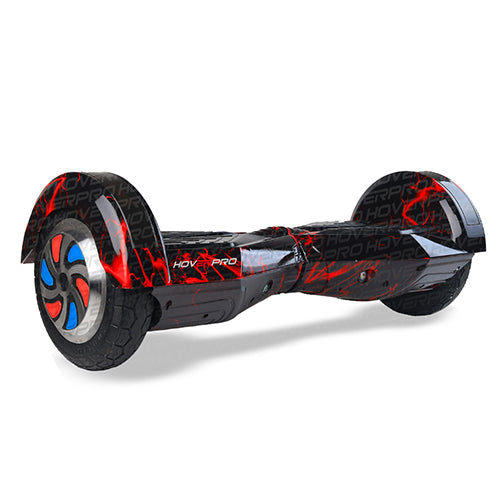
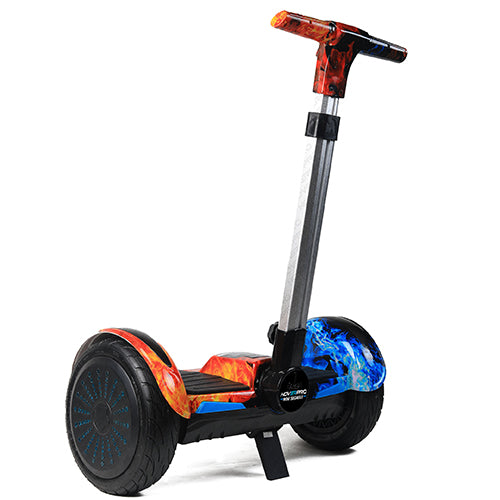
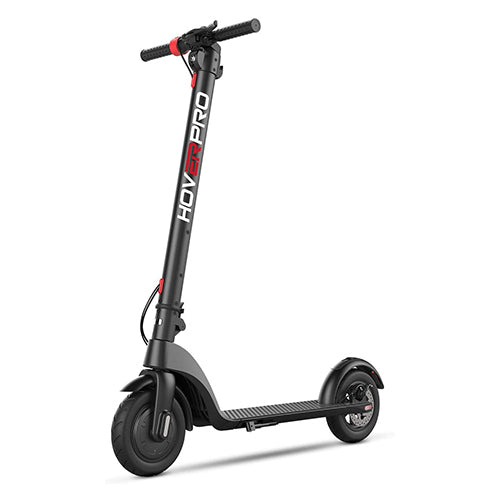
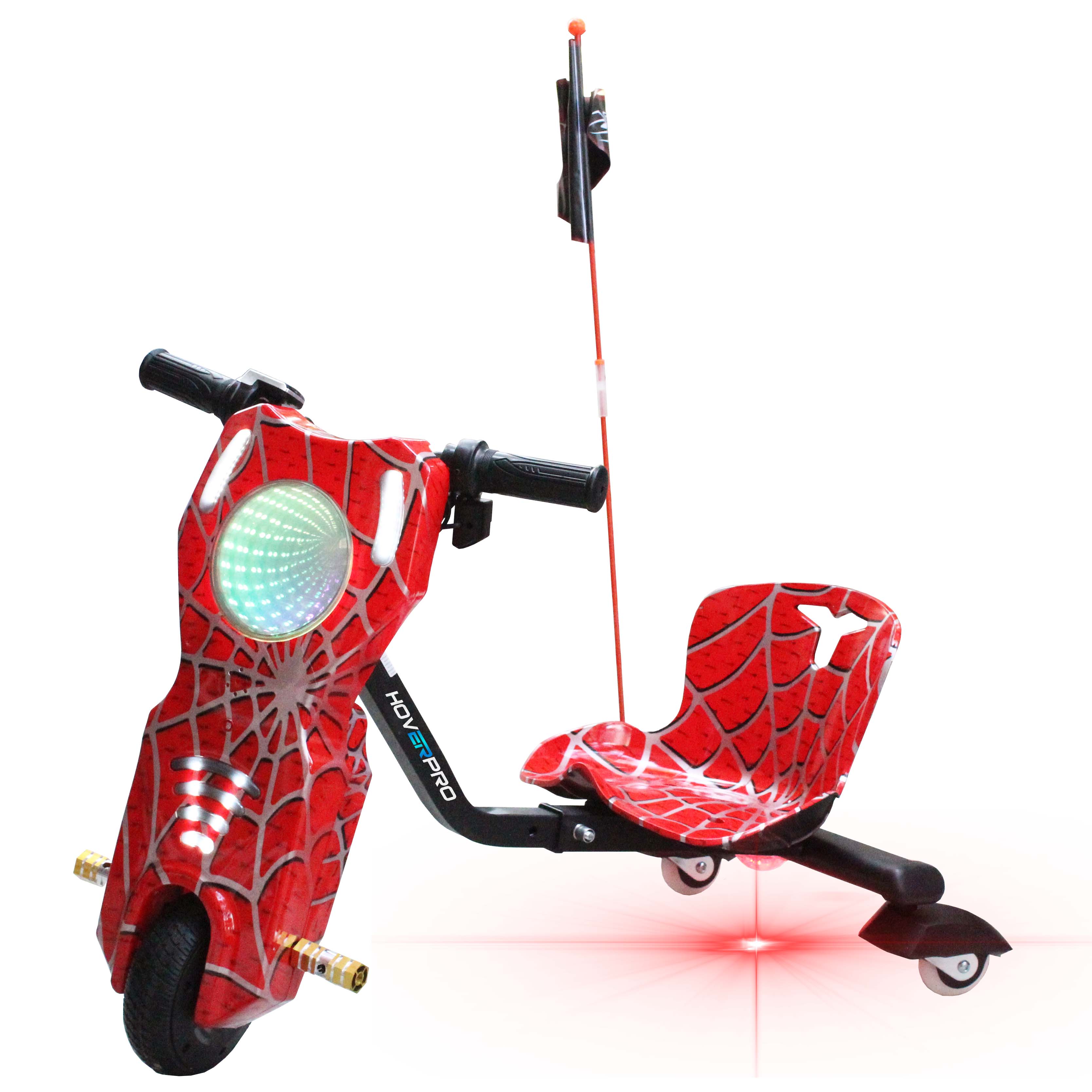
At HoverPro, even the product range reflects this split in buyer needs: there are compact folding e-scooters for lighter city use, and separate off-roader models for tougher surfaces. HoverPro’s own buying guidance also points buyers toward 8.5–10 inch tyres and front or dual suspension for safer, more comfortable riding on rough roads.
What makes the best e scooter for Indian roads?
For Indian streets, the right scooter is usually not the lightest or the cheapest one. It is the one that gives you the best balance of:
- tyre grip and shock absorption
- suspension quality
- wheel size
- braking confidence
- deck stability
- ground clearance
- after-sales support and spare availability
If your daily route includes cracked service roads, uneven colony lanes, random speed breakers, broken edges near drain covers, or monsoon-damaged patches, you need an e scooter for bad roads, not just an e-scooter for smooth pavements.
A lot of buyers make the mistake of choosing only by range and price. But on real Indian roads, comfort and control decide whether the scooter feels usable after the first week.
Start with wheel size, not speed
Small wheels may feel fine on very smooth surfaces, but rough roads expose their limits quickly. A larger wheel rolls over surface imperfections more confidently and usually feels less nervous over broken patches.
That is why buyers who deal with bad roads every day should usually look at 8.5-inch to 10-inch wheels at minimum, and lean toward 10-inch setups when comfort and pothole handling matter more than extreme portability. HoverPro’s own catalog and blog positioning make the same distinction: folding models serve short daily commutes, while larger rough-road options are built around bigger wheels and tougher use cases.
In plain words:
- 8.5-inch wheels: okay for mixed city use if roads are average
- 10-inch wheels: better for speed breakers, rough patches, and uneven streets
- off-roader style setup: better when your route is consistently bad, not occasionally bad
Solid vs pneumatic tyres scooter: which is better for India?
This is one of the most important buying decisions.
Pneumatic tyres
Pneumatic tyres are air-filled. They generally offer:
- better cushioning
- better grip
- more confidence on uneven roads
- less harshness over cracks and speed breakers
That is why many brands position pneumatic tyres as the comfort-oriented option. NIU, for example, highlights pneumatic tyres for enhanced shock absorption and comfort, while wider tubeless tyres are promoted for grip, durability, and control.
Solid tyres
Solid tyres are puncture-resistant and lower-maintenance. They generally offer:
- fewer worries about punctures
- less maintenance
- more convenience for short urban use
But they usually feel firmer on broken roads. Even Segway’s “flat-free” or hybrid-style tyre messaging tries to emphasize that these designs aim to simulate some of the comfort of pneumatic tyres while keeping the puncture-proof advantage. That tells you something important: even brands know buyers want the cushioning benefits associated with air-filled tyres.
So which should you buy?
For most Indian riders asking for a pothole friendly electric scooter, the answer is usually:
- Choose pneumatic tyres if your road quality is poor and comfort matters most.
- Choose solid or honeycomb tyres if your roads are mostly decent, your rides are short, and your biggest concern is avoiding punctures and maintenance.
For real-world Indian conditions, pneumatic tyres plus good suspension is often the best formula.
Why scooter suspension India buyers should not ignore
Many buyers think suspension is optional. On smooth roads, maybe. On Indian roads, definitely not.
If you ride over repeated speed breakers, broken asphalt, uneven paving, or patchwork roads, suspension reduces shock transferred to the handlebar, deck, and rider. It also helps the scooter stay more composed instead of bouncing and skittering over every sharp impact.
HoverPro’s own blog guidance repeatedly connects large wheels and suspension with pothole handling and rough-road comfort. It also recommends front or dual suspension for safer, more comfortable e-scooter riding.
Here is the practical rule:
- No suspension or very basic suspension: only for smooth, short routes
- Front suspension: good starting point for mixed Indian city use
- Dual suspension: better when broken roads are part of your daily commute
- Off-road style suspension setup: best when your route is consistently rough, not just occasionally uneven
If your body feels every speed breaker, you bought the wrong scooter for your roads.
Brakes matter more on bad roads
Bad roads are not only about comfort. They change stopping behavior too.
On uneven surfaces, braking confidence becomes more important because the scooter may be unsettled right before you need to slow down. HoverPro’s own buying checklist recommends a combination of electronic and mechanical braking, such as drum or disc brakes, for better stopping in traffic.
For Indian conditions, look for:
- front and rear braking support, not a weak single-brake feel
- predictable lever response
- stable braking without excessive nose-dive
- enough tyre grip to make the brakes useful
A scooter that feels fast but cannot stop confidently on a rough road is not a value purchase.
The right motor and battery for Indian streets
On paper, a low-power scooter can look attractive. In practice, Indian roads add extra load: flyovers, bad surfaces, frequent slowing and accelerating, and sometimes heavier riders carrying bags.
HoverPro’s guide suggests 250–350 W for flatter surfaces, and 350–500 W when riders deal with flyovers or need more load-handling ability. It also points buyers toward battery setups in the 36–48 V and 7.8–15 Ah range depending on use case.
That does not mean everyone needs the biggest motor. It means you should buy for your actual route.
- Smooth internal roads + short distance: basic city scooter can work
- Mixed roads + regular bumps + average adult rider: mid-range setup is better
- Rough roads + heavy rider + steep sections: choose more torque, better tyres, and stronger suspension
Features that matter more than people realize
When choosing an e scooter for bad roads, do not ignore these details:
-
Deck width and stance
A wider, grippier deck makes it easier to stay balanced when the road suddenly changes under you.
-
Build quality at the folding joint
On rough roads, weak stem or folding mechanisms become obvious very quickly.
-
Water resistance
Monsoon splash, wet lanes, and muddy edges are common. An IP-rated design is worth having. HoverPro also advises special care in monsoon conditions and recommends drying the scooter after wet rides.
-
Spare parts and support
Tyres, brake pads, tubes, and service access matter in India. HoverPro explicitly advises buyers to choose reputable brands and proper post-sales support instead of treating spare availability as an afterthought.
Do not ignore tyre pressure and post-impact checks
Even a good scooter can start feeling unstable if tyre pressure is wrong or if the wheels and alignment take repeated impacts. Michelin notes that tyres, steering, and suspension all affect road holding, and that major impacts can damage mechanical parts. Michelin and Bridgestone also stress that correct pressure is important for handling, comfort, and tyre life; overinflation can make the ride harsher and reduce traction. HoverPro’s own maintenance guide tells riders to check tyre pressure, tread, sidewalls, loose bolts, hinge play, and wobble symptoms regularly.
That means if you regularly ride through potholes, maintenance is not optional. It is part of ownership.
A simple buying formula for Indian buyers
If you want the best e scooter for Indian roads, use this checklist:
- 10-inch tyres preferred for rougher routes
- pneumatic tyres if comfort and pothole handling matter most
- front or dual suspension for regular broken-road use
- strong braking setup with reliable stopping feel
- solid folding mechanism and stable deck
- good spare support and service access
- enough motor power for flyovers and stop-start traffic
- water resistance and practical maintenance support
Final verdict
For real Indian streets, the ideal scooter is rarely the smallest, cheapest, or most portable model. It is the one that can stay calm over rough patches, absorb repeated bumps, brake confidently, and remain comfortable enough for daily use.
So if your commute includes potholes, badly built speed breakers, or broken side roads, prioritize this combination:
10-inch wheels + pneumatic tyres + front or dual suspension + dependable brakes + strong after-sales support
That is the formula most likely to give you a genuinely pothole friendly electric scooter rather than a scooter that only feels good in showroom conditions.
And one last point: no scooter should be treated like an off-road bike. Even the right model should slow down for deep potholes and sharp edges. The goal is not to “attack” bad roads. The goal is to choose a scooter that can survive them comfortably, safely, and consistently.