





The 25 km/h “Non-RTO” Scooter Trap: What Buyers Miss About Insurance, Safety & Battery Quality

People often call a 25 km/h e-scooter "Non-RTO," which means you can buy it today and ride it tomorrow with no paperwork or stress. That ease is real. But it can also hide some costly surprises, like unclear legal classification, hard-to-get insurance, weak safety hardware, and battery packs that don't last as long as they should.
This guide explains what a non-RTO electric scooter is, the rules for electric scooters in India that go 25 km/h, and the real checklist you should use before you pay.
What Does "non-RTO Electric Scooter" Mean in Plain English?
"Non-RTO" is not an official badge; it's just a way for salespeople to say that low-speed electric two-wheelers may not be considered motor vehicles as long as they meet certain technical limits (like motor power and top speed) that an approved testing agency has confirmed.
What Are The Real Exceptions To The 25 km/h Electric Scooter Rules In India?
Here are the main rules for low-speed electric scooters: When the scooter is still considered low-speed, it is usually marketed as a "no registration" and "no licence" scooter that goes 25 km/h. The problem is that the definition isn't just speed; it also includes power and other things.
So, if you're wondering if you need to register your scooter without an RTO, it depends on whether the scooter really meets the definition in real life, not just on a sticker or a claim that it's "digitally restricted."
The Trap That Buyers Get Into
1) "Digitally restricted" does not mean "legally low-speed."
A lot of models say they can go 25 km/h, but buyers don't always check the motor rating or if the scooter really is in the low-speed category. Some scooters can be unlocked or changed. If they go over the limits, they can move into the category that needs registration, a licence and compliance.
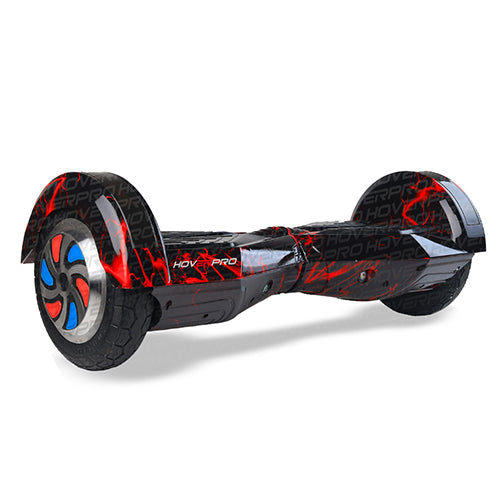
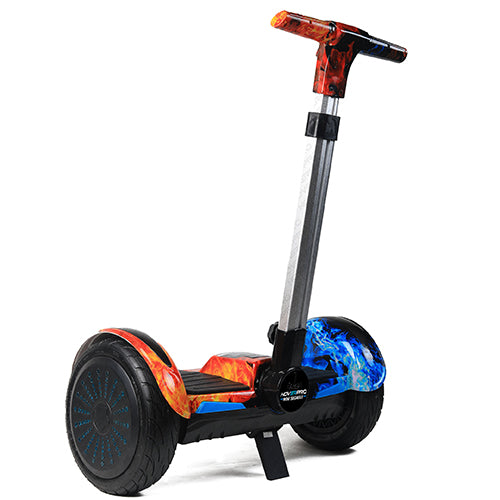
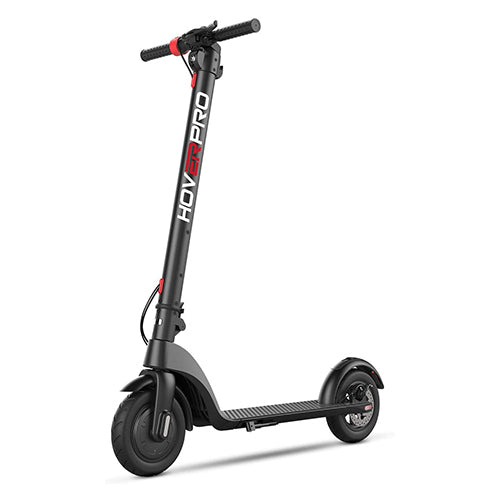
Quick check: make sure the product page and invoice have the motor power and maximum speed on the spec sheet. For instance, some Hoverpro listings make it clear that the motor rating and maximum speed are limited to 25 km/h. Use that information as a starting point when looking at any "Non-RTO" option.
2) Non-RTO scooter insurance: the risk of "no paperwork"
This is the biggest blind spot. It can be hard to get a standard two-wheeler policy if your car isn't registered as a motor vehicle. In many cases, you might end up riding without third-party liability insurance. You could end up having to pay for something that goes wrong.
What to do:
- Ask the seller or brand if there is any insurance available for that specific model.
- If you can't get a standard motor policy, at the very least look into personal accident coverage and any third-party liability options that are available (availability varies by insurer).
- If you plan to ride in busy traffic every day, a registered model with easy-to-understand insurance is usually the safer option.
3) Is it safe to ride an e-scooter at low speeds? Safety is not the same as speed.
Scooters that go slowly feel "safer" because they're slower, but stability and braking are more important than top speed.
- A dual brake system (disc + e-brake), not just a basic brake
- Lighting (headlight and tail/brake light)
- Tyre grip (solid honeycomb tyres vs. poor compound tyres)
- Frame strength and weight rating
- Service support and spare parts
If you're buying for a teen or short trips, pick models that don't skimp on brakes and visibility.
4) Battery quality: where the real savings happen
The battery is usually the most expensive part, which is why gray-market sellers cut costs there. Weak BMS, recycled cells, and bad thermal protection are all risks that can lead to sudden drops in range, charging failures, or, in the worst case, overheating.
Your list of things to check on your battery:
- Clear specs for the battery (voltage/Ah/Wh) and the charger
- A real warranty policy and what it covers
- Brands should be open about the safety of cells, BMS, and charging.
- Stay away from unbranded packs that are "too cheap to be true."
Pros And Cons Of Non-RTO E-Scooters (An Honest List)
Pros
- Easy to get in and out of, great for short trips and campus/colony use
- Often easier for beginners
- Cheaper to run for last-mile trips
Cons
- Insurance can be confusing (non-RTO scooter insurance isn't always clear)
- Some models are not what they say they are (sticker claims vs. actual specs)
- Safety hardware may not be very good in cheap builds
- The quality of the battery can be very different
Should I Get A Slow Scooter? A Simple Rule For Making Decisions
If you want to buy a low-speed scooter, do so if:
- Your rides are short and mostly on calm roads
- You value portability and light daily use
- You buy from a brand that has clear specs, a warranty, and service
If you commute in heavy traffic every day, want easier insurance and clearer legal compliance, or need stronger suspension, more stability, and a longer range, think about a registered/high-speed compliant model