






Battery Care in Indian Summers: Charging Rules That Extend Battery Life (and Reduce Overheating Risk)

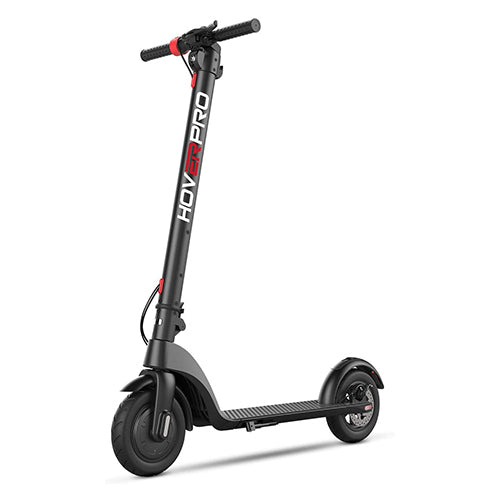
Indian summers are tough on machines, and your scooter battery feels it first. Heat increases battery stress, speeds up chemical aging, and can make charging less efficient if the pack is already hot. That is why electric scooter battery care in summer is not just about range; it is also about safety, long-term performance, and reducing the chance of an e-scooter battery overheating. Many lithium-based scooter systems are designed to charge only within a limited temperature window, commonly around 0°C to 40°C or 0°C to 45°C, while longer storage is often recommended around 30% to 60% charge.
If you want to know how to increase e-scooter battery life, start with one idea: heat plus bad charging habits is a costly combination. Charging right after a long ride, leaving the scooter in direct sun, or topping it up in a closed, hot parking area can all add stress. A smart battery pack may protect itself, but repeated heat exposure still shortens battery health over time.
Why summer is harder on scooter batteries
Lithium batteries like stable conditions. In peak summer, the battery may already be warm from riding, road heat, and sunlight before you even plug it in. If you charge it while it is still hot, the pack stays under additional stress. Over time, this condition can affect how well it holds charge and performs.
This warning does not mean summer riding is unsafe by default. It means your charging routine matters more. Good habits can reduce stress, improve consistency, and help the battery age more gracefully.
Best charging time in summer
The best charging time in summer is usually early morning or late evening, when ambient temperature is lower and the scooter is naturally cooler. Avoid charging outdoors in direct sunlight, on a balcony exposed to afternoon heat, or inside a parked car. If you have just finished a ride, let the scooter cool down before charging. Some scooter manuals explicitly advise waiting before plugging in and avoiding charging in hot conditions.
A simple rule works well in India: ride, park in shade, let it cool, then charge.
8 charging rules that extend battery life
1) Do not charge a hot battery immediately after riding
After a summer ride, the battery pack may already be warm. Give it time to return closer to room temperature before charging. This small delay can reduce heat stress and support longer battery life.
2) Charge in a cool, dry, ventilated place
Indoor charging is better than charging in direct sun or in a closed, hot area. Keep the charger and scooter away from flammable items, and avoid covering the charger while in use. Manuals and battery-safety guidance consistently favor dry, ventilated conditions.
3) Use the correct charger only
Always use the charger approved for your scooter or battery specification. Using the wrong voltage or a poor-quality charger increases the risk of inefficient charging, extra heat, and battery damage.
4) Avoid leaving the scooter charging in heat
So, can I leave scooter charging in heat? Best practice says no. Even if the battery has protection electronics, charging in a hot environment adds unnecessary thermal load. Heat is the exact condition you want to reduce, not combine with charging.
5) Do not chase 100% all the time unless you need full range
For daily short commutes, constantly keeping the battery at the top end for long periods is not ideal. Full charges are fine when required, but leaving the scooter fully charged for days in summer heat is harder on the battery than using a more moderate cycle.
6) Recharge before the battery becomes deeply drained
Repeated deep discharge is not good for lithium battery longevity. Several scooter manuals warn that completely draining the battery may cause permanent damage. If your scooter is very low, recharge it soon instead of leaving it empty in a hot environment.
7) Unplug after the charge is complete
A smart charger and battery system will manage charging, but it is still good practice not to leave the scooter connected for long, unnecessary periods in a hot room. In summer, reducing idle heat exposure helps.
8) If the scooter feels unusually hot, stop and inspect
Warm is one thing; abnormally hot is another. If the deck, battery area, or charger feels hotter than usual, pause charging and inspect the setup. Watch for warnings, smells, swelling, or repeated charging interruptions.
Ideal storage charge level for a lithium battery
One of the most useful summer habits is storing the battery at the right level when you are not riding for a while. The ideal storage charge level lithium battery owners should remember is around 30% to 60%. That range is widely recommended for longer storage because it reduces stress compared with leaving the battery empty or fully charged.
If your scooter will sit unused for a few weeks, store it indoors, out of direct sun, and check the charge periodically. Some manuals also recommend topping it up every 30 to 60 days during long storage.
Lithium battery temperature range: what riders should know
The exact lithium battery temperature range depends on the battery pack and scooter model, so the user manual is always the final authority. That said, many lithium-based scooter or cell specs commonly show charging limits around 0°C to 40°C or 0°C to 45°C, and some list discharge ranges extending much wider than charging ranges. The takeaway is simple: a battery can often operate in conditions where it should not be charged.
That is why a scooter parked in the sun may still turn on, yet charging it immediately may not be the smartest move.
E-scooter battery overheating: early warning signs
If you are worried about an e-scooter battery overheating, search for changes in behavior rather than waiting for a major failure. Common warning signs include:
- the battery area becoming much hotter than usual during charging
- charging that stops and starts repeatedly
- sudden drop in range or power
- temperature warnings or automatic cutoffs
- unusual smell, smoke, or buzzing sounds
A healthy battery should feel predictable. When heat behavior changes suddenly, treat it seriously.
E-scooter battery swelling warning signs
Among all red flags, e scooter battery swelling warning signs deserve immediate attention. Stop using and charging the scooter if you notice:
- battery casing, deck, or compartment looking bulged
- battery cover not closing properly
- unusual pressure around the battery area
- chemical smell or visible leakage
- physical deformation after impact or overheating
A swollen lithium battery is defective and should not be used or charged further. Have it inspected and replaced through qualified service support.
BMS cutoff meaning: what it actually tells you
If you have seen a warning or read about BMS cutoff meaning, here is the simple version: BMS stands for Battery Management System. It monitors things like voltage, current, temperature, and overall battery condition. When values move outside safe limits, it may stop charging or cut power output to protect the pack. In practice, a “BMS cutoff” usually means the system stepped in because something crossed a safety or protection threshold.
That protection is helpful, but it is not a reason to ignore the cause. If BMS cutoffs happen repeatedly in summer, check for heat exposure, charger issues, blocked ventilation, battery aging, or a developing fault.
Quick summer checklist for longer battery life
Want the fastest answer to how to increase e scooter battery life in Indian heat?
- Charge in the cooler part of the day.
- Let the scooter cool before plugging in.
- Keep it away from direct sunlight while charging.
- Use only the proper charger.
- Do not store it fully charged for long periods.
- Do not leave it fully drained either.
- Pay attention to swelling, heat, smell, or repeated cutoffs.
Conclusion
Good electric scooter battery care in summer is mostly about reducing heat stress before, during, and after charging. In real-world Indian conditions, that means avoiding noon charging, not plugging in immediately after a hot ride, and storing the scooter sensibly when you are not using it.